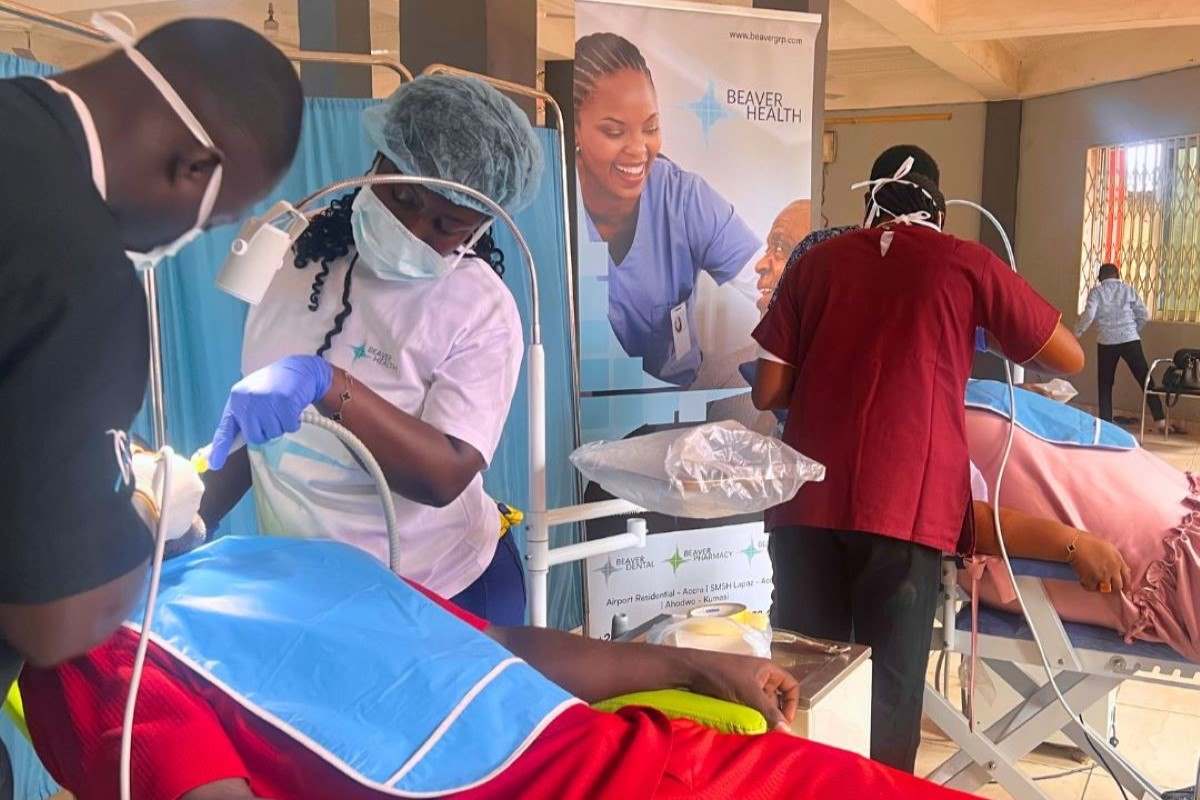
Gums commonly bleed because plaque has accumulated around the gumline. Plaque is a sticky bacterial film. If it is not removed effectively, the nearby gum tissue becomes inflamed—a stage called gingivitis.
Early gum inflammation may cause:
- bleeding during brushing or flossing;
- red, puffy or tender gums;
- persistent bad breath; or
- a bad taste in the mouth.
Gingivitis can often be reversed with effective daily cleaning and professional guidance. If inflammation advances into periodontitis, it can damage the tissues and bone that hold teeth in place. Teeth may loosen, shift or eventually be lost.
Brushing harder is not the answer. Aggressive brushing can injure the gumline while leaving plaque between teeth untouched. A dental examination can identify the cause and show you a technique suited to your mouth.
Persistently high blood glucose can affect immune function, inflammation and healing. This can make it harder for the body to manage infection around the gums. Dry mouth—sometimes associated with diabetes or certain medicines—may also reduce saliva’s protective effect.
A systematic review and meta-analysis of prospective cohort studies found a positive association in both directions. Compared with people without periodontitis, those with periodontitis had a higher rate of developing diabetes; compared with people without diabetes, those with diabetes had a higher rate of developing periodontitis. The researchers also noted substantial variation between studies, so this evidence should be understood as an association rather than proof that one condition directly causes the other in every person.
Another meta-analysis of longitudinal studies found diabetes was associated with a greater risk of periodontitis onset or progression. The practical message is simple: gum health deserves particular attention when diabetes is present.
Bleeding gums alone cannot diagnose diabetes. Plaque-related gingivitis is a much more direct and common explanation.
However, it may be sensible to discuss blood-glucose testing with a clinician if gum problems are persistent or severe and you also have possible diabetes symptoms or risk factors, such as:
- increased thirst;
- urinating more often;
- unexplained weight loss;
- unusual fatigue;
- blurred vision;
- slow-healing wounds;
- recurrent infections; or
- a close family history of diabetes.
Ghana’s nationwide STEPS survey reported diabetes in 5.2% of the surveyed population. Screening is especially valuable because type 2 diabetes can develop gradually and symptoms may be subtle.
In good light, look at the gumline around your teeth. Notice—not judge—what you see.
Ask yourself:
1. Do my gums bleed more than occasionally?
2. Are they swollen, red or pulling away from the teeth?
3. Has my breath changed despite regular cleaning?
4. Does any tooth feel loose?
5. If I have diabetes, when was my last dental assessment?
This is not a diagnosis. It is a cue to act while care may be simpler.
A dentist or dental hygienist will ask about your symptoms, health conditions and medicines. They will examine the gums, look for plaque and calculus, and may measure the spaces around the teeth. X-rays may be recommended when bone loss or another hidden problem is suspected.
If you live with diabetes, bring recent blood-glucose or HbA1c information if available and a complete medicine list. Tell the dental team about changes in your treatment and any history of slow healing. Your dentist and medical clinician may need to coordinate care, particularly before more involved procedures.
This is where an integrated provider can quietly remove friction. At Beaver Health, dental and medical teams operate within the same wider care network, with pharmacy support available when medicine questions arise. You still remain at the centre of each decision; the advantage is that the different parts of your health do not have to be treated as unrelated stories.
Searching for a dentist in another country can feel uncertain. A useful first enquiry should establish:
- whether the clinic can assess your particular problem;
- which clinician and location are appropriate;
- when you can be seen;
- what records or X-rays to bring;
- how findings, options and costs will be explained;
- what follow-up may be needed after you leave Ghana; and
- how your insurance documentation will be handled.
Be cautious of any clinic—anywhere—that promises a result before examining you. For complex or cosmetic work, ask for a written treatment plan and enough information to make an unhurried decision.
If you are in Accra for a limited time, tell the booking team your departure date. The aim may be to diagnose and stabilise an urgent problem, then provide clear records for continuity with your usual dentist. Do not assume that every treatment can or should be completed within a short trip.
Start with reliable basics:
- Brush twice daily with fluoride toothpaste and a soft-bristled brush.
- Clean between the teeth every day using floss or another tool recommended by your dental professional.
- Spit after brushing; avoid immediately rinsing away the concentrated fluoride.
- Limit how often teeth are exposed to sugary foods and drinks.
- Do not smoke or use tobacco.
- If you have diabetes, follow the care plan agreed with your clinician.
- Attend dental reviews at an interval based on your individual risk.
Do not stop cleaning an area simply because it bleeds. Gentle, effective plaque removal is important, but persistent bleeding needs assessment.
If your gums have bled for more than a week or two, or you notice swelling, pain, recession, pus or a loose tooth, arrange a dental examination. If you also have diabetes symptoms or risk factors, mention them when booking so the team can guide you towards the right assessment.
Beaver Dental has two useful access points for this audience in Accra:
- Airport Residential Area headquarters: Beaver House, Agostinho Neto Road—suited to residents, expatriate families, executives and travellers staying near the airport area.
- Emporium at Mövenpick Ambassador Hotel: at the Mövenpick Ambassador Hotel on Independence Avenue in central Accra—convenient for hotel guests, tourists and business visitors around the central business district.
Contact Beaver Health before setting out to confirm opening hours, clinician availability and which location is best for your needs. A combined dental and medical conversation may be more useful than guessing whether the issue belongs “only” to your mouth or “only” to your blood sugar.
Will treating gum disease cure diabetes?
No. Diabetes requires its own medical care. Gum treatment supports oral health and may form part of better overall disease management, but it is not a cure for diabetes.
Is bleeding while flossing normal?
New flossing can temporarily reveal inflamed areas, but ongoing bleeding should not be ignored. Ask a dental professional to check the cause and your technique.
Can diabetes cause dry mouth?
Dry mouth can have several causes, including dehydration, medicines and health conditions. People with diabetes may experience it, but an assessment is needed to identify the likely cause.
How often should a person with diabetes see a dentist?
There is no single interval for everyone. Your dentist should recommend a schedule based on current gum health, glucose control, tobacco use, home care and previous disease.
Can a tourist get dental treatment in Accra?
Yes. When booking, explain your symptoms, travel dates and any medical conditions. Bring available X-rays, treatment records, medicine details and contact information for your usual dentist if continuity may be needed.
Can Beaver Dental work with international insurance?
Beaver Health are partners with foreign and local insurers. Coverage, pre-authorisation, direct billing and reimbursement depend on the specific policy. Confirm the process with Beaver Health and your insurer before non-urgent treatment.
- WHO oral health fact sheet
- Bidirectional association between periodontal disease and diabetes: systematic review and meta-analysis
- Does diabetes increase the risk of periodontitis? Systematic review and meta-regression
- WHO Ghana 2024–2025 country results profile


%402x.svg)