First, know why the measurement matters
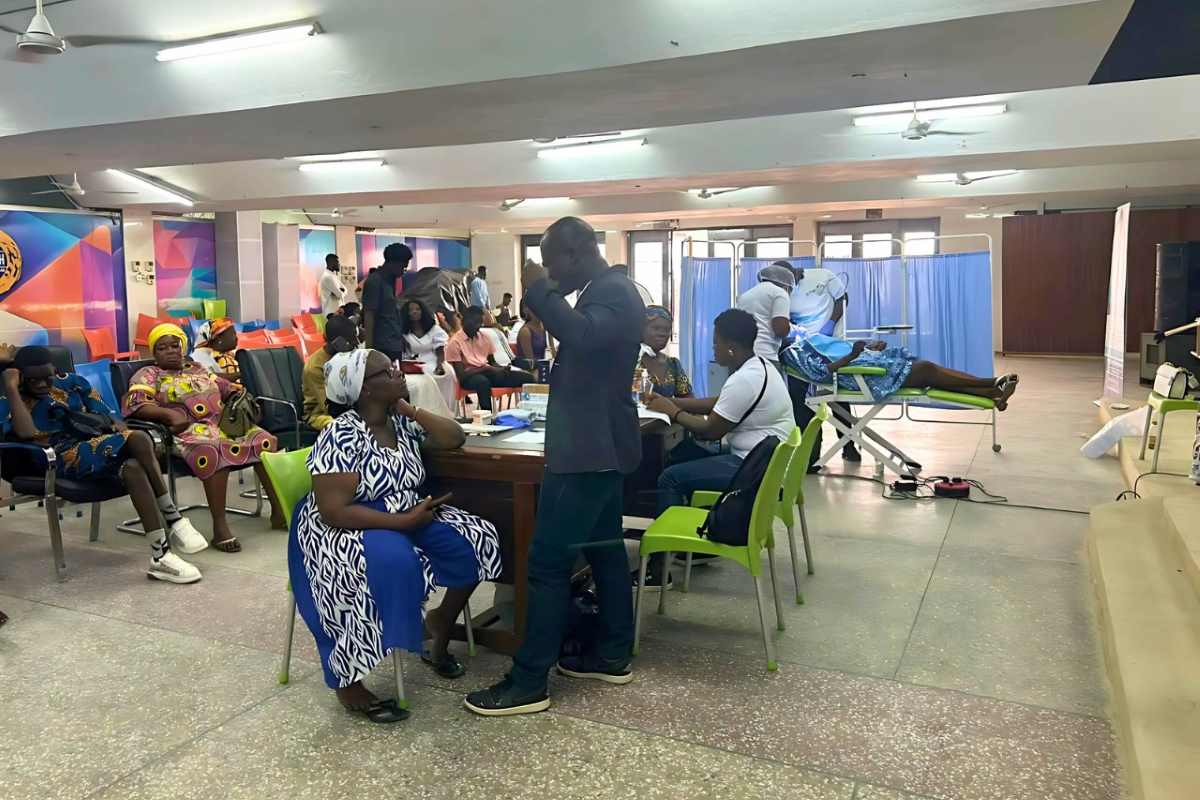
Ghana’s first nationwide STEPS survey found hypertension in 21.7% of the surveyed adult population. It also found a diabetes prevalence of 5.2%, underlining the growing importance of routine noncommunicable-disease screening.
One reading does not usually tell the whole story. Blood pressure changes with movement, stress, pain, caffeine, sleep and time of day. Measurements taken correctly over several days can help a clinician distinguish a persistent pattern from a temporary rise.
Home readings are not a replacement for professional care. They are better thought of as useful information you bring into the consultation.
Choose the right monitor
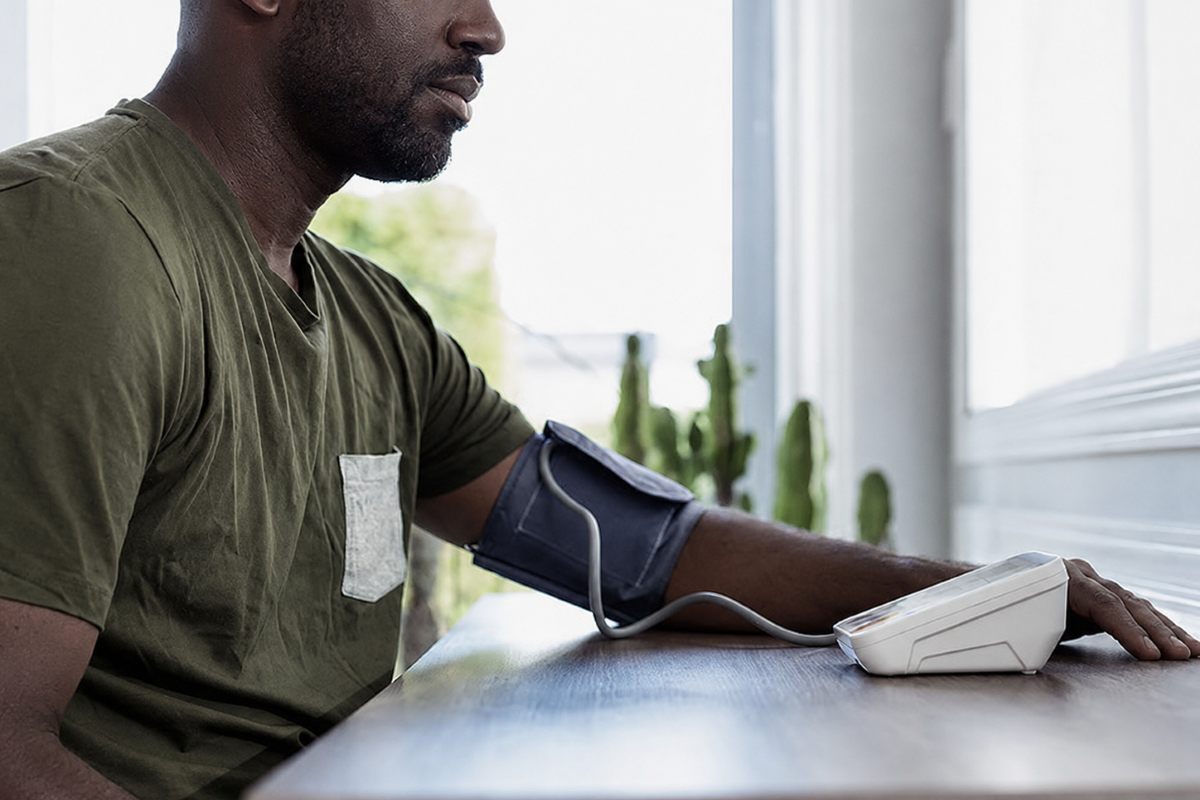
Use an automatic, validated monitor with a cuff that goes around the upper arm. Wrist and finger devices can be more sensitive to positioning and may be less dependable for many users.
The cuff must fit your arm. A cuff that is too small can give an inaccurately high reading; one that is too large can also distort the result. Check the manufacturer’s arm-circumference guide or ask a pharmacist or clinician to help you choose.
If you already own a device, take it to your next appointment. Comparing it with the clinic’s equipment and checking your technique can build confidence in the readings you record.
Prepare for five quiet minutes
For the 30 minutes before measuring, avoid smoking, vigorous exercise and caffeinated drinks. Empty your bladder if needed.
Then sit quietly for at least five minutes. During the measurement:
- Keep your back supported.
- Place both feet flat on the floor.
- Do not cross your legs.
- Rest your bare arm on a table so the cuff is roughly level with your heart.
- Keep still and do not talk.
These steps may feel fussy at first. After a few days they become a short routine—and a routine is easier to repeat accurately than a new decision every time.
Take two readings, not ten
Place the lower edge of the cuff just above the bend of your elbow, following the device instructions. Take one reading, wait about one minute, then take a second.
Record both numbers rather than repeatedly measuring until you see the number you hoped for. Extra checking can increase anxiety without producing better information.
Unless your clinician gives different instructions, measure at approximately the same times each day. Morning and evening readings over several days are often more informative than occasional readings taken only when you feel unwell.
Your record can be simple:
Date and time: Monday, 7:00 a.m.
Reading 1: 138/86
Reading 2: 134/84
Notes: Before breakfast and medicine
Date and time: Monday, 7:00 p.m.
Reading 1: 131/82
Reading 2: 130/81
Notes: Seated for five minutes
Include relevant notes such as a missed dose, unusual pain or illness. Do not stop, start or change blood-pressure medicine based on home readings without speaking with the prescriber.
Avoid these common measurement mistakes
Measuring immediately after climbing stairs: Give your body time to settle.
Putting the cuff over clothing: Even a rolled sleeve can compress the arm. Place the cuff on bare skin.
Letting the arm hang down: Support it near heart level.
Talking or scrolling through stressful messages: Stay quiet and still until the measurement finishes.
Using someone else’s cuff without checking the size: Fit matters.
Focusing on one unusual number: Unless the reading is dangerously high or accompanied by warning symptoms, repeat it correctly and look at the broader pattern.
What do the two numbers mean?
The top number is systolic pressure—the pressure when the heart contracts. The bottom number is diastolic pressure—the pressure between beats.
Thresholds used for diagnosis and treatment can differ according to the guideline, the setting and your individual health. Pregnancy, diabetes, kidney disease, age, medication and cardiovascular risk can all affect clinical decisions. For that reason, an online chart cannot diagnose you.
The most useful question is not simply, “Is this number good or bad?” It is, “What does this pattern mean for me?”
When should you seek urgent help?
If a reading is unusually high, sit quietly and repeat it after at least one minute. Seek urgent medical assessment if the repeat reading is around 180/120 mmHg or higher, particularly if you have chest pain, shortness of breath, weakness or numbness, difficulty speaking, confusion, severe headache, fainting or a change in vision.
Symptoms can matter even when the number is lower. If you feel seriously unwell, seek urgent care rather than waiting for another home measurement.
When you are travelling or working in Accra
Travel can disrupt sleep, meal times, exercise and medicine routines. Business schedules can do the same. Heat, dehydration, pain, illness, stress and missed doses may also affect how you feel or influence a reading. None of these factors should be used to self-diagnose the cause of a high or low result.
If you take regular medicine, travel with enough for your stay where possible and keep it in its original labelled packaging. Carry a current prescription or medicine list using generic drug names. If luggage is delayed or medicine is lost, speak with a licensed clinician or pharmacist rather than substituting an unfamiliar product yourself.
For an appointment in Accra, bring:
- your passport or another form of identification if requested;
- your current medicines and allergies;
- recent medical reports or test results;
- your insurer’s membership card and assistance telephone number; and
- a record of your home blood-pressure readings.
If you hope to use international insurance, contact Beaver Health and your insurer before the visit when circumstances allow. Eligibility, authorisation, exclusions, reimbursement and any direct-settlement arrangement depend on the individual policy and must be confirmed.
Turn the numbers into a plan
A short, accurate record can make a medical conversation more useful. Bring your monitor, readings and full medicine list—including over-the-counter products and supplements—to your appointment.
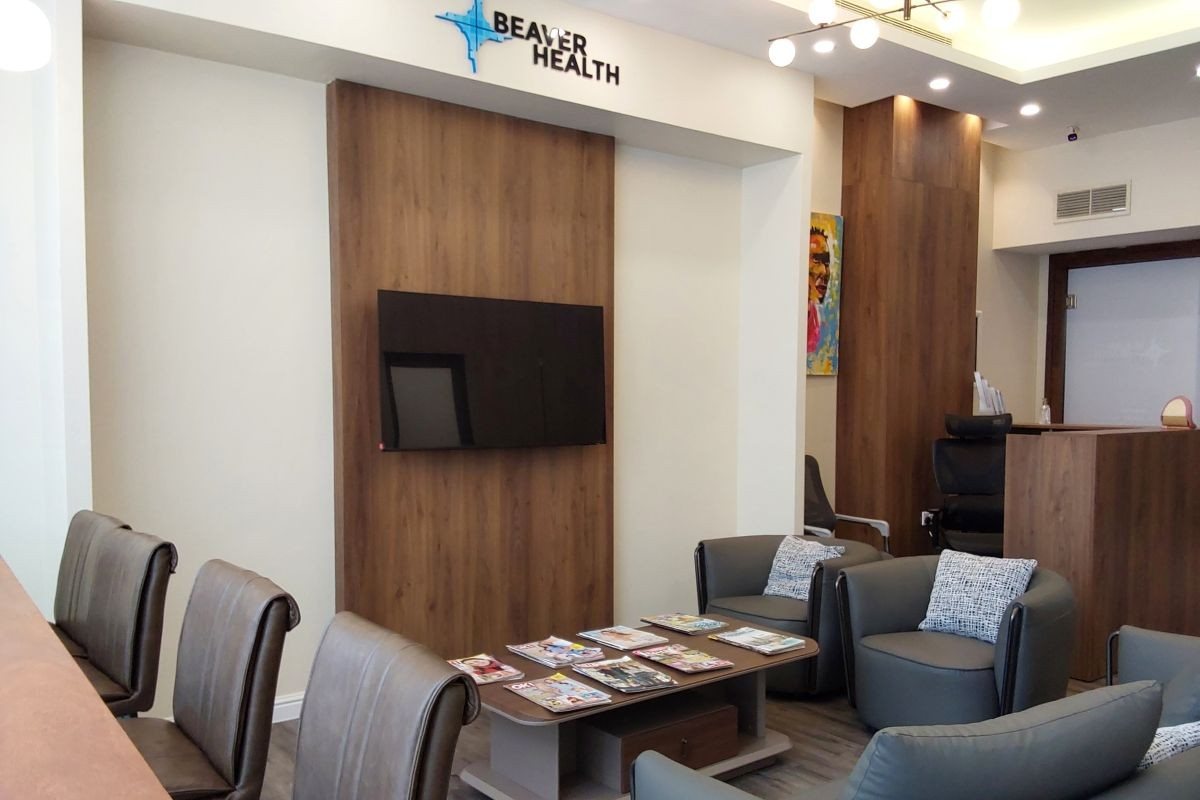
Beaver Health brings medical assessment, dental care and pharmacy support into one care network. If your readings are repeatedly higher or lower than expected, a Beaver clinician can review the pattern and risk factors, while the pharmacy team can help clarify how and when to take prescribed medicines. The point is not simply to collect numbers; it is to understand what to do next.
For patients in Accra, Beaver Health’s headquarters is at Beaver House on Agostinho Neto Road in Airport Residential Area. This location is relevant to residents, expatriate families, executives and travellers staying near Kotoka International Airport. Contact the clinic before travelling to confirm the appropriate service, appointment time and insurance process.
Can I check my blood pressure immediately after eating?
For a more comparable routine, avoid measuring straight after a large meal and follow the timing agreed with your clinician. Consistency matters.
Which arm should I use?
A clinician may check both arms initially and advise which one to use for ongoing monitoring. Once advised, use the same arm consistently.
Can anxiety raise my reading?
Yes. Stress can temporarily raise blood pressure. Quiet rest and repeated readings across several days provide more context than a single anxious measurement.
Should I stop my medicine if my reading is normal?
No. A normal reading may mean the treatment is working. Do not change prescribed medicine without speaking with your clinician.
Can foreign visitors book a medical appointment in Accra?
Yes, visitors can contact Beaver Health to request an appointment. Share the reason for the visit, how long you will remain in Accra and whether you have relevant reports or medicines. The team can then advise on availability and the appropriate location.
Does Beaver Health accept international health insurance?
Beaver Health states that it collaborates with foreign and local insurance companies. Acceptance of a particular plan, direct billing and pre-authorisation are policy-specific, so confirm with both the clinic and insurer before treatment whenever possible.
- WHO Ghana 2024–2025 country results profile
- American Heart Association scientific statement on blood-pressure measurement
- American Heart Association and American Medical Association: self-measured blood pressure at home


%402x.svg)